Maxwill: The Modern Display Font for Bold Branding
I remember the exact moment I realized my packaging was holding my business back. It was a Tuesday afternoon, and I was staring at a stack of freshly printed labels for a new line of artisanal candles. The scent was perfect, the wax quality was premium, but the text on the jar felt... timid. It looked like something from a generic template, lacking the personality that made my products unique in the first place. In the world of small business, where every unboxing is a brand experience, typography isn't just about reading words; it's about feeling the vibe before you even touch the product.
That afternoon, I began searching for a display font that could bridge the gap between "handmade" and "high-end." I needed something modern, cool, and bold enough to stop a scrolling thumb on Instagram but legible enough to read on a shelf in a boutique. That search led me to Maxwill, a typeface that quickly became the cornerstone of our rebranding effort. If you are a creative consultant, a shop owner, or an entrepreneur looking to polish your visual identity, here is why this specific font might be the missing piece in your design puzzle.
Why Maxwill Stands Out in a Crowded Market
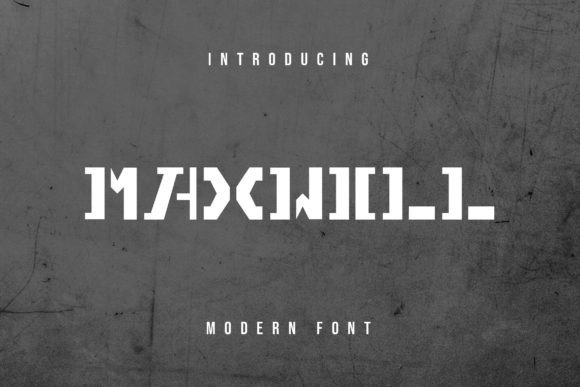
When we talk about modern typography, we often mean clean lines and minimalism. However, Maxwill takes that concept and injects it with character. As a display font, it is designed specifically for headlines, logos, and short phrases rather than long paragraphs of body text. Its stylish characters have a distinct rhythm that feels both contemporary and timeless. The overall bold look gives it an immediate presence, making it ideal for brands that want to project confidence without shouting.
In my experience testing Maxwill against other creative fonts, what struck me most was its versatility. It doesn't feel overly decorative to the point of being unreadable, nor is it so plain that it gets lost in a sea of competitors. When I applied it to our candle jar labels, the difference was instant. The brand name popped off the white background, commanding attention while maintaining an air of sophistication. This is the kind of premium font that elevates a simple product into a perceived luxury item simply by changing how the name looks.
Real-World Applications for Small Businesses
The true test of any commercial font is how it performs across different mediums. For small business owners, consistency is key to building a recognizable brand identity. Maxwill has proven to be incredibly adaptable across the various touchpoints of a customer journey. Here is how it can transform your materials:
- Logo Design: A logo needs to be memorable. Maxwill's bold strokes make it perfect for wordmarks, especially for boutiques, coffee shops, or lifestyle brands. It holds up well when scaled down for a favicon or blown up for a storefront sign.
- Packaging Design: Whether you are printing boxes for a bakery, jars for skincare, or tags for handmade jewelry, this font adds a layer of professionalism. It turns a standard label into a statement piece.
- Social Media Graphics: In the age of Instagram and TikTok, your feed is your billboard. Using Maxwill for overlay text on photos or video thumbnails ensures your posts stand out in a crowded feed. Its high contrast makes it readable even on small mobile screens.
- Menus and Flyers: For cafes or event planners, using Maxwill for section headers creates a clear visual hierarchy. It guides the customer's eye naturally through the content while setting a stylish tone.
- Digital Ads and Banners: Click-through rates often depend on how quickly a user understands the offer. The clarity and weight of Maxwill make it excellent for call-to-action buttons and website hero banners.
Mastering Typography Pairings for Balance
One of the biggest mistakes I see entrepreneurs make is trying to use a display font for everything. Maxwill is powerful, which means it works best as the star of the show. To create a balanced and professional layout, you need to pair it with supporting typefaces that let it shine. Since Maxwill is so expressive, it pairs beautifully with neutral, clean fonts that provide readability for longer text blocks.
A classic approach is to pair Maxwill with a clean sans serif font for body copy. This combination offers a modern, sleek aesthetic that works perfectly for tech startups, fashion blogs, or minimalist home goods stores. Alternatively, if you want to add a touch of elegance or tradition, try pairing it with a refined serif font. This mix creates a sophisticated editorial look, ideal for beauty brands or high-end culinary businesses. Some designers even experiment with a subtle script font or handwritten font for personal notes or signatures, creating a warm contrast to the bold structure of Maxwill. The goal is always harmony; your font pairing should feel intentional, guiding the reader effortlessly from the headline to the details.
Practical Tips for Readability and Usage
While Maxwill is stunning, it is important to remember that it is a display typeface. This means it is optimized for larger sizes. When designing for small labels, such as those on perfume bottles or tiny stickers, ensure you are not pushing the size too low, or the intricate details of the characters may get lost. On digital platforms, always check how the font renders on mobile devices. What looks crisp on a desktop monitor might appear slightly different on a phone screen, so test your designs on actual devices before finalizing them.
Furthermore, consider the context of your message. Maxwill excels at headlines, titles, and short impactful phrases. It is less suited for long paragraphs of legal text or detailed instructions. By using it strategically for emphasis, you create a visual rhythm that keeps the audience engaged. This selective use enhances the perceived value of your brand, signaling that you care about the details of your presentation.
Licensing and Technical Considerations
Before integrating Maxwill into your workflow, there are a few technical steps to take to ensure you stay compliant and prepared. First, verify the file formats included in the download. Most modern design assets come in OTF (OpenType) and TTF (TrueType) formats, which are compatible with almost all design software, from Adobe Creative Cloud to Canva. Check if the package includes alternate glyphs or ligatures, as these can add a unique flair to your logo design.
Crucially, review the licensing agreement. As a business owner, you need to know if the license covers commercial use. If you plan to sell physical products with the font on the packaging, use it in client work, or include it in digital templates for sale, you must ensure you have the appropriate commercial rights. Using a commercial font without the right license can lead to legal issues down the road. Always confirm multilingual support if your brand operates globally, ensuring that special characters are available for your target markets.
Ultimately, choosing the right font is one of the most cost-effective ways to upgrade your business image. Maxwill offers that perfect blend of style and substance, helping you communicate your brand story with clarity and confidence. Whether you are refreshing a menu, redesigning a logo, or launching a new product line, investing in quality typography pays dividends in customer perception and brand loyalty. Your customers will notice the difference, even if they can't quite put their finger on exactly why.